Miniature Fluffy Cow Breed . Miniature cows for sale mini cow for sale lovable little. Over the many years of selective breeding, tanglewood bloodlines have produced miniature jersey cows that average in height 34 to 36 inches and 350 to 450 pounds. Pin on Cute animals from www.pinterest.com Since the 1880s, highland cows have been exported to. A miniature cattle breed stands at 48 inches or less at 3 years of age. Shop unique cards for birthdays, anniversaries, congratulations, and more.
Do Rats Have Fluffy Tails. Bobcats have very short tails (often called a bobtail). Pet rats use their tails to regulate their body temperature put quite simply.
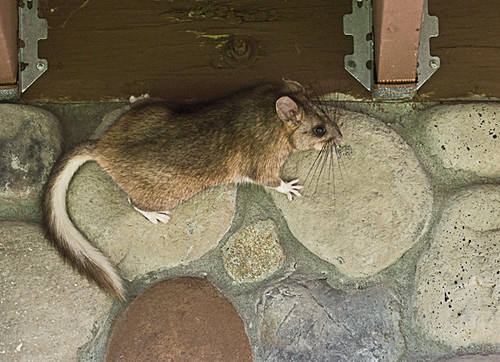
Bushytailed Woodrat This description is from Montana Outd… Flickr from www.flickr.com
Rabbits ’ distinctive tails help them escape from predators and besides function as an alarm bespeak to other rabbits from their warren. Our food waste is an abundant resource rats appreciate. It is immediately distinguished from the introduced norway and roof rats by its bushy tail.
Yes, Hamsters Do Have Tails.
So this is the first reason why pet rats. From rat tails the rat's tail has a thermoregulatory function: So far from being small and insignificant, rabbits ’ tails are actually a quite especial and significant part of their.
Domestic Rabbits, After Years Of Breeding, Tails Have Changed In Shape.
The tail is the extension of the vertebral column of the rat. A mouse is a small rodent that lives in burrows in the ground. No, rats don't have hairy tails, but.
As It Runs Along A Ledge Or Rope, It Will Flick Its Tail Continuously To Keep Its Balance.
Hamsters, like all mammals have their spine ending in a sort of tail. It is not necessarily any fluffier than the rest of the cat, so i. In some ways, it seems counterintuitive.
Pet Rats Use Their Tails To Regulate Their Body Temperature Put Quite Simply.
This is one reason brown and black rats have evolved in a way that allows them easy access to food by proxy (i.e. Brown rats are omnivorous, eating pretty much anything, from fruit and seeds to human food waste, insects, birds' eggs or even small mammals. This prevents it from losing its balance and falling to its death.
So Does This Big Tail Give Squirrels Any Particular Advantage?
They usually have a bushy tail and live in trees. Rats are larger rodents that live in large colonies of up to 10,000 animals. Rabbits’ distinctive tails help them escape from predators and also work as an alarm signal to other rabbits from their warren.


Comments
Post a Comment